
Frequently Asked Questions (FAQ)
- simplecoffeehanoi
- Apr 6
- 2 min read

Coffee Basics
What’s the best kind of coffee?
The best coffee is the one you enjoy. For most people, that comes down to the origin of the bean and how it’s roasted. We focus on clean, well-sourced coffees that highlight natural flavor—so you can find something that fits your taste, whether you prefer bright, balanced, or rich.
What’s the difference between Arabica and Robusta?
Arabica and Robusta are two different types of coffee beans. Arabica is typically smoother and more complex, with flavors that can be fruity, floral, or sweet. Robusta is stronger and more bold, often with a heavier body and more bitterness. It also contains more caffeine. Neither is “better”—it depends on your taste!
What does single origin mean?
Single origin coffee comes from one specific region, farm, or producer rather than being blended from multiple sources. This allows the natural character of that place—its climate, soil, and growing conditions—to come through more clearly in the cup.
Brewing at Home
What are the most common brewing methods?
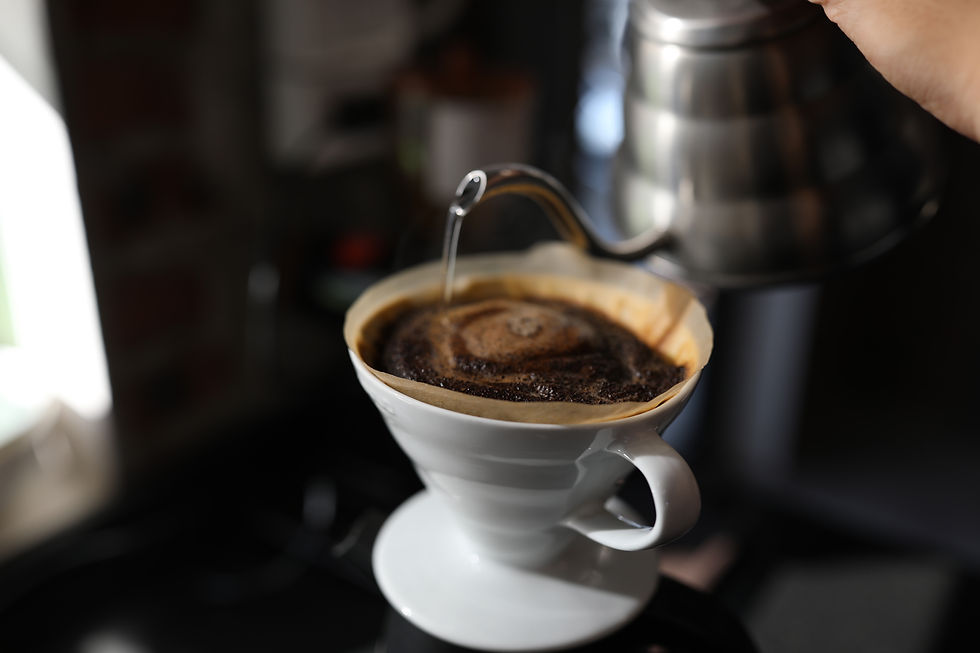
Three of the most common ways to brew coffee are pour-over, French press, and espresso. Pour-over produces a clean, balanced cup, French press creates a richer, fuller-bodied coffee, and espresso is more concentrated and bold. Each method highlights different qualities in the coffee, so the best choice comes down to your taste and brewing style.
What grind size should I use?
It depends on your brewing method—coarse for French press, medium for pour-over, fine for espresso, and medium-fine for phin. The right grind helps your coffee extract properly with our grind chart (link to chart).
Why does my coffee taste bitter or sour?
If your coffee tastes bitter or sour, it usually comes down to how it’s brewed. Bitter coffee often means it’s been over-extracted, while sour coffee may need more time or a finer grind. A few small tweaks can go a long way toward a better cup.
Freshness & Storage
How long does coffee stay fresh?
Coffee is best enjoyed within 2–4 weeks of roasting for the freshest flavor. To keep it tasting its best, store your coffee in an airtight container in a cool, dry place away from light and heat.
Should I buy whole beans or ground?
For the best flavor, we recommend whole bean coffee ground just before brewing. If you don’t have a grinder, we’re happy to grind it for you—just plan to enjoy it a bit sooner for the freshest cup. Ground coffee is a convenient option, but it will lose freshness more quickly once opened.
How should I store my coffee?
We recommend keeping it as whole beans and grinding just before brewing. Avoid storing coffee in the fridge or freezer, as moisture can affect the flavor.
Do you have any other questions? Let us know in the comment!
Comments